Consular processing is one of the most common ways people complete their U.S. immigration journey when they are living outside the United States. A case starts in the U.S. with a petition, but the final decision does not happen there. It moves step by step and ends at the embassy interview. That full journey is what people call consular.
For most people outside the U.S., consular processing steps is not just a choice, it is the main path to getting a green card.
Think of Consular Like a Travel Journey for Your Case
To really understand consular processing procedure, don’t think of it like paperwork.
Think of it like your case is traveling.
It starts in the U.S.
It gets checked by immigration.
It moves to a visa center.
Then it gets sent to your country’s U.S. embassy.
You go for an interview.
And then a final decision is made.
That whole travel of your case from start to finish.
Simple, but very structured for visa approval.

Step-by-Step Consular Processing
Step 1: Someone starts your case
A family member or employer files a petition like Form I-130.
Basically, they are saying:
“Yes, this person is allowed to start the immigration process.”
This is just the beginning of processing.
Step 2: USCIS gives approval
USCIS checks everything. If everything looks correct, they approve it.
At this point, it means:
“Okay, this case is real, now it can move forward.”
This is where it officially starts moving.
Step 3: Case goes to visa center
Now the National Visa Center takes over.
Here, you start doing real paperwork work:
- Pay visa fees
- Fill forms
- Upload supporting documents like passport, financial proof, birth certificates
This is the “paper checking and organizing” stage of processing.
Step 4: Everything is double-checked
They don’t just accept papers and move on.
They check everything carefully.
If something is missing, they stop and say:
“No, send this again.”
So at this stage you can feel slow, but it is very important.
Step 5: Waiting for interview date
Once everything is complete, your case is sent to the U.S. embassy in your country.
Then comes waiting.
You just wait for an interview date.
This waiting part is normal in consular processing.
Step 6: Interview day (the big moment)
This is where everything becomes real.
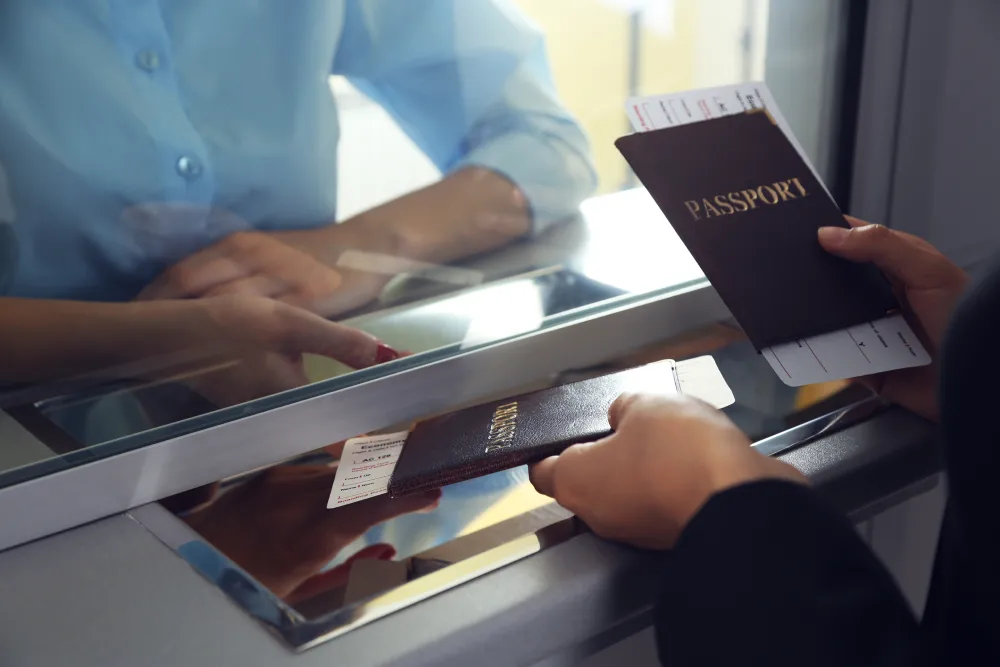
You go to the U.S. consulate.
You meet a consular officer.
They look at your documents.
They ask questions like:
- Who is sponsoring you
- What is your relationship or job
- If everything is true
It feels serious because this is the final decision point.
Step 7: Final answer
After the interview, one of two things happens:
If everything is good → visa is approved
If something is wrong → it can be refused or delayed
If approved, your passport gets stamped and you are ready to travel.
That final moment completes processing.
Consular Processing vs Adjustment of Status
Adjustment of status means:
“You are already inside the U.S., so you finish everything there.”
But processing means:
“You are outside the U.S., so you finish everything at the embassy.”
| Simple idea | Consular Processing | Adjustment of Status |
| Where it happens | Embassy in home country | Inside U.S. |
| Interview | Consulate officer | USCIS officer |
| Travel | You must travel | No travel needed |
| Best for | Outside U.S. applicants | Inside U.S visa applicants |
Who Actually Goes Through Consular Processing
Consular is used by:
- People living in their home country
- Family members getting sponsorship
- Workers applying from outside U.S.
- Diversity visa and green card lottery winners
For all of them, processing is the normal and required path.
Main People and Places in Consular Processing
National Visa Center
This is like the document hub. Everything gets collected and checked here before embassy stage.
U.S. Consulate
This is where your interview happens and final decision is made.
Consular Officer
This is the person who has the final word in consular processing.
What You Need for Processing
To go through processing, you usually need:
- Approved petition like Form I-130
- Passport
- Financial proof (to show support)
- Medical report
- Police clearance
- Birth or marriage papers
- All required supporting documents
If anything is missing, processing can slow down or get stuck.
Why Consular Processing Is So Important
Consular processing matters because:
- It helps people outside the U.S. move legally
- It covers family and job immigration
- It includes full background checks
- It gives a proper system before entering U.S.
Without processing, most people outside the U.S. would have no clear path.
Good Side and Hard Side
Good side
- Works for people outside the U.S.
- Clear step-by-step system
- Visa is approved before travel
Hard side
- You must go to embassy interview
- Waiting can take time
- Officers check everything very strictly
Even with that, processing is still the most widely used route in the world.
Conclusion:
Consular processing is the full immigration journey where your case starts in the U.S. and ends at a U.S. embassy outside the country. After approval, you get your visa, travel to the U.S., and become a permanent resident.
Frequently Asked Questions
What is consular processing?
Consular processing is when your U.S. immigration case is completed through a U.S. embassy outside the United States instead of inside the country.
How does processing start?
It starts when someone files a petition in the U.S. and USCIS approves it.
What happens after approval?
The case moves to the National Visa Center where documents and fees are collected.
What happens in the interview?
A consular officer checks everything and asks questions before making a final decision.
Who uses consular processing?
People outside the U.S. applying for family, work, or lottery visas use it.
What documents are needed?
Passport, petition approval, financial proof, medical exam, police certificates, and supporting documents.
Can consular processing take time?
Yes, it can take months depending on embassy workload.
Why do delays happen?
Missing documents or embassy scheduling issues can slow it down.
Who is a consular officer?
A consular officer is the person who interviews you and gives the final decision.
What happens after approval?
Visa is stamped and you travel to the U.S. to complete the process.