Moving to another country involves important paperwork, deadlines, and legal requirements. Unfortunately, scammers often take advantage of people unfamiliar with the immigration process. They may promise guaranteed approvals, offer fake legal services, or demand money for applications that don’t exist.
Immigration fraud can lead to financial losses, stolen personal information, and serious legal complications. Knowing the warning signs can help you protect yourself.

1. Fake Immigration Consultants
Some scammers pretend to be qualified immigration professionals. They advertise affordable services, promise quick approvals, and claim to have special connections with government officials.
Before hiring an immigration consultant or agency, verify their credentials through the relevant country’s official regulatory body.
2. Fake Immigration Websites
Fraudsters sometimes create websites that look like official government portals. They may ask for passport details, personal information, and payment.
Always use verified government websites and check the website address before submitting immigration applications or documents.
3. Social Media Impersonation
Scammers create fake social media profiles using government logos, agency names, or stolen photographs of legitimate consultants.
They may offer guaranteed visas or faster processing in exchange for money. Verify the agency through its official website before responding.
4. Guaranteed Visa or Citizenship Promises
No private consultant can guarantee visa approval, permanent residency, or citizenship. Immigration decisions are made by authorized government authorities.
Be cautious of anyone promising special access, guaranteed results, or approval without proper checks.
5. Fake Marriage Immigration Schemes
Some fraudsters offer marriage arrangements in exchange for money, claiming they can help someone obtain residency or citizenship.
These arrangements can have serious legal consequences. If you suspect a fraudulent marriage arrangement, use the official reporting channels to report fake marriage to immigration authorities.
6. Immigration Paperwork and Document Fraud
Scammers may offer fake employment letters, financial statements, marriage certificates, or other supporting documents.
Submitting false immigration paperwork can result in application refusal and legal consequences. Always provide genuine documents and review your application carefully.
7. Immigration Tax Fraud
Fraudsters sometimes pretend to collect government taxes, processing fees, or immigration penalties.
They may demand immediate payment through gift cards, cryptocurrency, or wire transfers. Confirm all fees through the official immigration website before paying.
8. Fake Application Tracking Services
Some scammers create fake application trackers or send messages claiming there is a problem with your case.
They may request passport details, login credentials, or additional payments. Use official portals to check your application tracker citizenship status or immigration court case status.
9. Fake Passport Renewal and Permanent Resident Services
Scammers also target people looking for passport renewal or permanent resident services. They may advertise immigration passport renewal online or permanent resident renewal application assistance through unofficial websites.
Before submitting documents or paying fees, confirm that the service is authorized by the relevant government department.
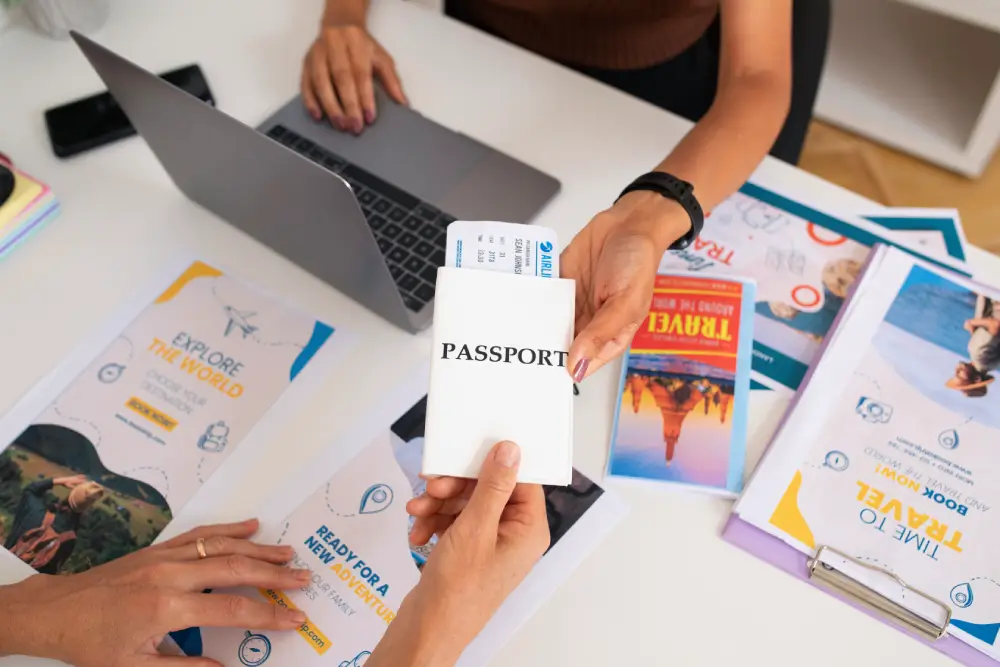
How to Identify a Fake Immigration Agency
Watch for these common warning signs:
- Guaranteed visa or citizenship approval.
- Requests for large upfront payments.
- No written agreement or payment receipt.
- Pressure to submit documents quickly.
- Unverified websites or personal email accounts.
- Advice to provide false information.
If you need professional help, find a migration agent through the official government register.
What to Do If You Become a Victim of Immigration Fraud
If you believe someone has scammed you, take these steps:
- Stop sending money or documents.
- Save messages, receipts, and payment records.
- Change passwords if your accounts may be compromised.
- Contact your bank about suspicious payments.
- Report the incident to the relevant immigration authority.
- Seek advice from an authorized immigration professional if your application is affected.
Conclusion:
Immigration fraud can happen at any stage, from initial applications to citizenship and permanent residency renewals.
Whether you’re working with an immigration consultant office or submitting documents online, verify the source before sharing personal information or making payments. Use official government services and never trust promises of guaranteed approval.
Frequently Asked Questions
What is immigration fraud?
It involves deception, false documents, or misleading information used to obtain immigration benefits or exploit applicants.
How can I identify a fake immigration consultant?
Check their qualifications through the official licensing authority. Avoid consultants who guarantee approvals or demand unusual payments.
Can an immigration agency guarantee visa approval?
No. Only the relevant government authority can approve or refuse an immigration application.
How do I report immigration fraud?
Contact the official immigration enforcement authority or fraud reporting service in the relevant country.
Is it safe to apply for immigration services online?
Yes, if you use verified government websites or authorized service providers.
How can I find a migration agent?
Check the official government register of licensed or authorized migration professionals.
Can fake immigration paperwork affect my application?
Yes. False documents can lead to application refusal, penalties, or other legal consequences.
How can I check my immigration application status?
Use the official application tracker provided by the relevant immigration authority.
What should I do if I suspect a fake marriage arrangement?
Avoid submitting false information and contact the appropriate immigration authority or a qualified immigration lawyer.
Can I renew my permanent resident card online?
Some countries allow eligible residents to apply online. Check the official immigration website for current requirements.