Imagine you’re caught in an abusive relationship where your immigration status totally hinges on that spouse or family member holding all the cards. Enter the vagua visa—your ticket out, letting you apply for protection and independence solo, no abuser approval or heads-up required.
It all traces back to the Violence Against Women’s Act, that powerhouse law designed to shield survivors from extra hurt. Stuff like vawa petition or vawa self-petition? Just other ways to say the same thing—a hidden, secure route to standing on your own feet.
Here in 2026, nailing down the how-to, the rules, and what lies ahead arms you perfectly if you’re geared up to seize that shot.

Why the vagua visa Exists?
The law behind the vagua visa was created to stop abusive spouses from using immigration status as a way to control or trap their partner. Before this, many victims felt stuck—they couldn’t leave an abusive marriage because they depended on their spouse for a green card or legal status.
With the vagua visa, you can file a vawa self petition, which means you don’t need your abuser involved. Immigration authorities handle it confidentially, so the abusive spouse doesn’t get notified.
The main goal here is safety, independence, and giving survivors a real chance to live free from fear.
Who Can Apply Under vawa requirements?
Not everyone qualifies, but the rules are straightforward. To get a vagua visa, you have to meet certain vawa immigration requirements.
Basic eligibility
- You were married to a US citizen or green card holder who was abusive
- You are a child abused by a US citizen or lawful permanent resident parent
- You are a parent abused by a US citizen child
- You have proof of good moral character
- You lived with the abuser at some point
Meeting these conditions is the first step toward a strong vawa petition.
What Counts as Abuse
You might think abuse has to be physical. That’s not true. The violence against women’s act recognizes many kinds of abuse in a vawa case.
Examples include
- Physical violence like hitting or pushing
- Emotional abuse like constant threats or insults
- Psychological control like manipulating or isolating you
- Financial control, stopping you from working or accessing money
- Threats involving immigration status
- Isolation from family or friends
When USCIS looks at a vagua visa case, they consider the overall pattern of abuse—not just one incident.
How the vawa petition Works
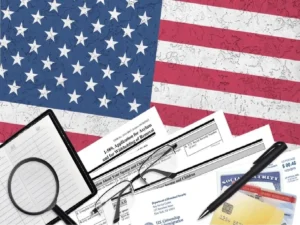
Once you decide to apply, the first step is submitting a vawa petition. This includes the vawa form and supporting evidence showing your abuse and relationship.
Steps in simple terms
- Gather proof of abuse and relationship
- Fill out the vawa form correctly
- Submit it to USCIS
- Wait for them to review it
- Respond if they ask for more evidence
- Get approval or request for adjustment of status
Many people work with a vawa immigration lawyer or vawa attorney to make sure everything is done right. Filing correctly the first time makes a huge difference.
What Evidence Helps Your Case
Documentation is key in a vawa application. It’s what shows USCIS that the abuse really happened.
Useful evidence
- Police reports or court records
- Medical records of injuries
- Counseling or therapy records
- Personal statements describing abuse
- Photos of injuries or property damage
- Messages or emails with threats
- Statements from family or friends
The more clear evidence you have, the stronger your vagua visa petition will be.
How USCIS Checks a vawa case
People often ask, how does uscis investigate vawa?
Here’s what happens:
- Officers check the forms and evidence submitted
- Verify marriage or relationship history
- Review background and immigration history
- Evaluate credibility of statements
Importantly, they do not contact the abusive spouse. This keeps applicants safe and confidential.
Why You Might Need a vawa immigration lawyer
Filing on your own is possible, but many people search for a vawa lawyer near me. A good vawa immigration attorney can help with:
- Checking if you qualify for a vawa self petition
- Organizing and presenting evidence clearly
- Preparing the vawa form correctly
- Responding to requests for additional information
If your case is complicated—like divorce, criminal history, or immigration violations—having a lawyer can make a big difference.
Timeline for a vagua visa
Processing times vary, but here’s a general idea:
| Step | Typical Duration |
| Petition submission | A few months for initial review |
| Evidence verification | Several months |
| Petition approval | 12–24 months on average |
| Adjustment of status | Additional months if applicable |
Even if it takes time, approval of a vagua visa can change a life by providing legal safety and independence.
Why the vagua visa Is Important in 2026
Being trapped in an abusive marriage while depending on a spouse for immigration status is terrifying. The vagua visa gives victims a way out.
Benefits at a glance
- File independently from abuser
- Safety and confidentiality
- Eligibility for work authorization
- Possible path to permanent residency
For anyone dealing with abuse and immigration dependency, the vagua visa is a real opportunity to regain control and safety.
Conclusion:
Sometimes, people also hear about the preventing violence against women by illegal aliens act in news debates. Policies like this discuss enforcement, but the violence against women’s act still protects survivors. That’s the law behind the vagua visa, making it a reliable option for those in need.
Frequently Asked Questions
What is a vagua visa?
It is immigration protection for abuse survivors under the violence against women’s act, allowing you to apply independently through a vawa self petition.
Who qualifies under vawa requirements?
People abused by a US citizen or lawful permanent resident spouse, parent, or child may qualify if they meet vawa immigration requirements.
What documents are needed for a vawa petition?
Proof of relationship, evidence of abuse, shared residence, personal statements, police or medical records, counseling notes, and witness statements strengthen the petition.
How long does a vawa application take?
Processing can take 12–24 months depending on case complexity and USCIS workload. Additional time may be needed for adjustment of status.
Is the abusive spouse notified?
No. Filing a vawa case is confidential. USCIS does not notify the abuser.
How does USCIS review evidence?
Officers review forms, police records, personal statements, and documentation to assess if abuse happened and if vawa immigration requirements are met.
Can men apply for a vagua visa?
Yes. Both men and women can apply under the violence against women’s act if eligible.
What happens after a vawa petition is approved?
Applicants may apply for adjustment of status or lawful permanent residency and may qualify for work authorization.
Why hire a vawa immigration lawyer?
Lawyers help organize evidence, file the vawa form correctly, and respond to USCIS requests, increasing the chances of approval.
Can divorced spouses still apply?
Yes, in some situations divorced spouses may qualify if abuse happened during the marriage and documentation supports eligibility.