Right now, perm processing time is widely discussed in immigration news today United States because applicants are noticing delays across different categories of PERM applications. Employers and workers are constantly checking perm processing updates to understand where their case stands and how long the wait may continue.
What does PERM really mean?
PERM is the first major step in the employment-based green card process. In simple terms, it is the government checking whether a job really needs a foreign worker or whether a qualified U.S. worker is available.
This is why perm time exists at all. Every employer must go through:
- Recruitment process
- Documentation of hiring efforts
- Filing labor certification
- Department of Labor review
Each step adds to overall processing time, especially when paperwork is not perfectly aligned.
Why processing time feels unpredictable
One of the biggest concerns today is how unpredictable processing time has become. Even similar PERM applications do not move at the same speed.
Here is what causes variation in processing time:
- Government backlog and case volume
- Random audit selection
- Errors in recruitment documentation
- Prevailing wage delays before filing
- Industry-specific review depth
Because of these factors, perm labor processing time can shift without warning, making planning difficult for both employers and employees.
Step-by-step breakdown of PERM processing
Each stage directly impacts processing time, and delays at any point extend the overall timeline.
▪ Prevailing Wage Determination (PWD)
- Employer requests official wage level
- Department of Labor evaluates job duties
- Approval is required before recruitment
Delays in pwd processing time automatically increase processing time, even before filing begins.
▪ Recruitment stage
This stage tests the U.S. labor market.
- Job ads are posted in required formats
- Applicants are reviewed and documented
- Employers must justify rejections
Any mistake here increases processing time because the recruitment record must be accurate and audit-ready.
▪ PERM filing stage
This is where PERM applications are officially submitted using ETA Form 9089.
- All recruitment evidence is attached
- Job details must match exactly
- Employer submits to Department of Labor
From this point, current perm processing time begins counting in the official review queue.
▪ Review and audit stage
This is where most delays happen.
- Cases enter government review
- Some are selected for audit
- Additional documents may be requested
Audit cases can significantly extend processing time, sometimes adding several extra months.
Current trends affecting perm processing time
Right now, perm processing is influenced by several ongoing trends:
- Increased filing volume of PERM applications
- Stricter compliance checks by Department of Labor
- Higher audit frequency in some categories
- Slower internal processing queues
- Increased focus on documentation accuracy
Because of these factors, perm processing updates often show longer waiting periods compared to previous years.
Real-world processing timeline
A typical breakdown of processing time looks like this:
| Stage | Estimated Time | Impact |
| PWD | 2–6 months | High impact on start |
| Recruitment | 1–2 months | Medium impact |
| PERM Review | 6–12+ months | Major delay source |
| Audit Cases | +6–10 months | Highest delay |
So overall, processing time often ranges between 10 to 18 months or more depending on case complexity.
Connection between H1B and PERM process
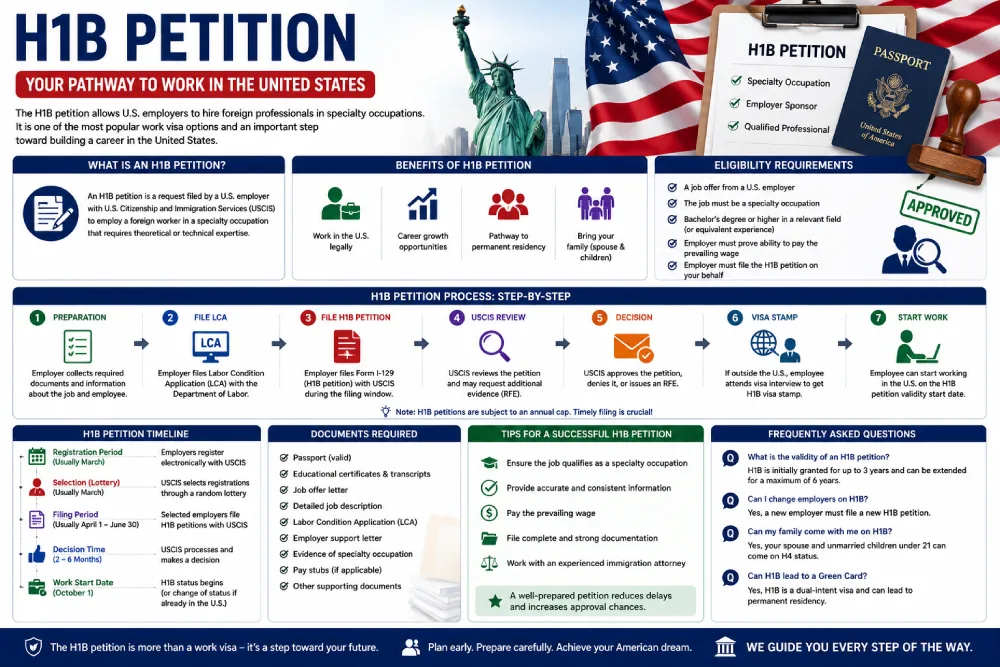
Many workers filing h1b visa application or already on h1 visa procedure rely on PERM for long-term residency.
- H1B allows continued employment during PERM
- Employers file h1b petition while starting PERM process
- Extensions may depend on PERM progress
- Filing strategy impacts long-term immigration planning
This makes processing time extremely important for anyone transitioning from h1b visa to green card sponsorship.
Why delays are increasing in PERM cases
Several reasons are currently affecting processing time:
- High backlog of PERM applications
- More detailed verification by authorities
- Increased audit selections
- Errors in recruitment documentation
- Slow response cycles in some cases
These issues collectively extend perm labor processing time, even for well-prepared applications.
Tracking PERM case status
Applicants and employers track processing time using:
- Department of Labor processing dashboards
- Employer attorney updates
- Internal case trackers
- Public perm case tracker tools
However, even with tracking, current perm processing time can still shift unexpectedly due to backlog changes.
Common mistakes that increase processing time
Small errors often lead to big delays in processing time:
- Incorrect job descriptions
- Missing recruitment proof
- Wage level mismatches
- Filing inconsistencies in ETA Form 9089
- Late audit responses
Each mistake can significantly increase processing time beyond normal expectations.
Immigration attorney insights
Attorneys handling PERM applications usually focus on control and prevention:
- Preparing audit-ready documentation early
- Ensuring recruitment compliance
- Avoiding inconsistencies in job details
- Planning alongside h1b petition timelines
From their experience, reducing errors is the only real way to stabilize perm processing time, even if government delays still occur.
Conclusion:
perm processing time is not a fixed schedule. It is a moving timeline influenced by government workload, recruitment accuracy, audits, and wage determination delays.
Whether someone is checking perm processing updates, following immigration news today United States, or tracking their own perm case tracker, the key reality stays the same: perm time depends on multiple unpredictable steps, not just one.
Planning with flexibility is the only way to handle processing time effectively.
Frequently Asked Questions
What is the current processing time for most cases?
The current processing time is usually between 10 to 18 months depending on PWD delays, recruitment accuracy, and whether the case is audited or not.
Why is perm processing time increasing recently?
processing time is increasing due to higher application volumes, stricter Department of Labor review standards, and more frequent audits in PERM applications.
How does pwd processing time affect processing time?
If pwd processing time is delayed, the entire PERM process is pushed back because recruitment and filing cannot start without wage approval.
Can processing time be tracked online?
Yes, applicants use a perm case tracker, employer updates, and Department of Labor data to estimate processing time, although exact tracking is limited.
Does H1B status depend on processing time?
Yes, many workers on h1b visa rely on PERM progress for extensions and long-term residency planning, making perm processing time very important.
What causes the biggest delays in perm processing time?
Audits and documentation errors are the biggest causes of increased perm processing time, often adding several additional months.
What is the role of h1b petition in PERM process?
A h1b petition allows employment continuity while PERM is in progress, helping workers stay in legal status during long perm processing time.
How long does PERM labor processing time usually take?
Perm labor processing time typically ranges from 10 to 18 months depending on workload, compliance checks, and recruitment accuracy.
Can employers speed up perm processing time?
There is no premium option, but accurate documentation and proper recruitment help avoid delays that increase perm processing time.
Where do people check perm processing updates?
People follow official Department of Labor data, employer attorneys, and perm processing updates to estimate movement in processing time.